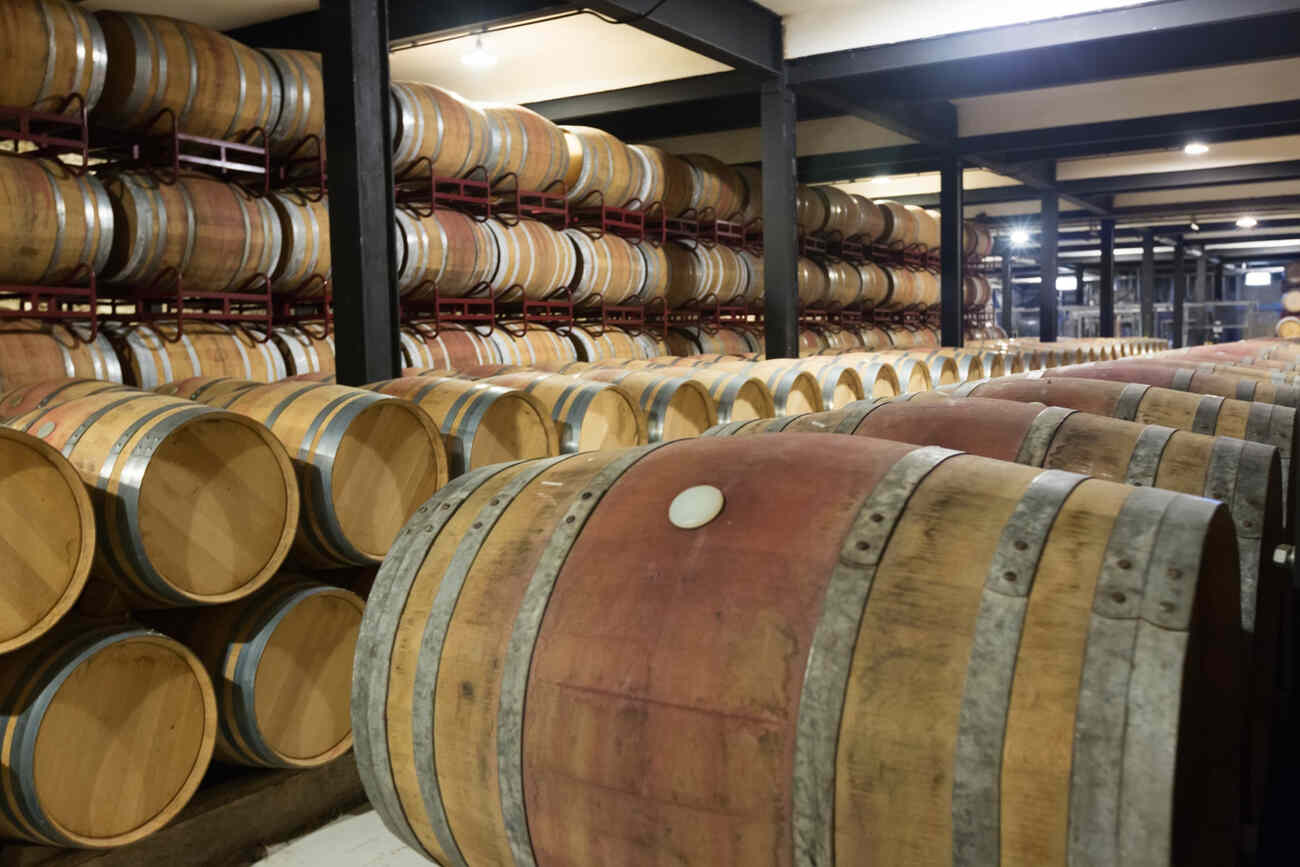
At Protea Financial, we frequently remind our clients that inventory is not just “stuff” sitting on a shelf or in a tank; it is cash in a physical form. Every bottle of wine, every raw material, and every piece of merchandise represents a direct investment of your capital. When that inventory goes missing, whether through theft, breakage, spoilage, or administrative error, it is mathematically identical to opening your cash register and burning money.
In the accounting world, we call this “inventory shrinkage.” It is a silent profit killer that eats away at margins, often unnoticed until the end-of-year count reveals a shocking discrepancy. For high-value industries like winemaking, where a single missing case can represent hundreds or thousands of dollars in lost revenue, the stakes are incredibly high.
However, loss is not inevitable. It is the result of gaps in your process. By implementing robust inventory controls, you can close these gaps, securing your assets and ensuring that your financial data reflects reality. In this comprehensive guide, we will break down the essential controls required to prevent loss and protect your bottom line.
Understanding the Sources of Loss
Before you can build a wall, you need to know where the wind is coming from. Inventory loss generally falls into three categories:
- Physical Loss (Theft and Waste): This includes external shoplifting, internal employee theft, vendor fraud (delivering less than ordered), and unreported breakage or spoilage.
- Administrative Errors: This is “paper” loss. If a data entry clerk types “10” instead of “100,” or if a sale is not recorded correctly in the inventory system, your books will show a loss that doesn’t physically exist, leading to tax issues and bad reordering decisions.
- Process Failures: This occurs when goods move through the company without a transaction record, such as giving away promotional items or samples without logging them.
Effective inventory controls address all three of these areas simultaneously.
Control #1: The Gatekeeper (Receiving Protocols)
Loss prevention begins at the loading dock. The moment inventory enters your facility is the moment you accept liability for it. If your receiving process is lax, you might be paying for goods you never actually received.
The Strategy: The Three-Way Match
You must implement a strict Three-Way Match for every delivery. This involves comparing three documents before a bill is authorized for payment:
- The Purchase Order (PO): What you asked for.
- The Packing Slip/Receiving Report: What the vendor said they sent and what your team physically counted upon arrival.
- The Vendor Invoice: What the vendor is billing you for.
If the Receiving Report says 50 cases arrived, but the Invoice charges you for 60, you have caught a loss before it happened.
Best Practice: Implement “Blind Receiving.” In this method, the receiving clerk is given a PO that lists the items expected but not the quantities. This forces them to physically count every item to fill in the blank, rather than simply glancing at a box and assuming the number on the paper is correct.
Control #2: Segregation of Duties
One of the fundamental principles of internal control is that no single person should have control over an entire financial transaction. When one person has too much power, the temptation and opportunity for theft increase.
The Strategy: Divide and Conquer
You need to separate the following functions:
- Authorization: The person who approves the purchase of inventory.
- Custody: The person who physically holds and manages the inventory (warehouse manager).
- Record Keeping: The person who updates the accounting system (bookkeeper).
Why this works: If the warehouse manager can also adjust the inventory numbers in the computer, they could steal ten cases of wine and simply delete them from the system to cover their tracks. By separating these roles, the bookkeeper (Record Keeping) acts as a check on the warehouse manager (Custody). If goods go missing, the records won’t match the physical count, and the discrepancy will be flagged.
Control #3: The Physical Count Methodology
Many businesses dread the “Annual Inventory Count,” treating it as a chaotic, once-a-year weekend event. While an annual count is necessary for tax purposes, relying on it for loss prevention is a mistake. If you only count once a year, you are giving thieves 364 days to operate undetected.
The Strategy: Cycle Counting
We strongly recommend moving toward Cycle Counting. This involves counting a small subset of your inventory every day or week on a rotating schedule. For example, you might count all your Chardonnay on Monday, your Merlot on Tuesday, and your packaging supplies on Wednesday.
Benefits of Cycle Counting:
- Early Detection: You catch errors or theft weeks after they happen, not months.
- Less Disruption: You don’t have to shut down operations for a full day to count everything.
- Root Cause Analysis: If you find a discrepancy today, it is easier to remember what happened yesterday (e.g., “Oh, right, we pulled five bottles for a tasting and forgot to log it”) than to remember what happened six months ago.
Control #4: Tracking Internal Usage (The “Hidden” Drain)
In the wine and hospitality industry, internal usage is a massive source of “phantom” inventory loss. This includes:
- Pours in the tasting room.
- Samples sent to critics or distributors.
- Bottles opened for staff education (or enjoyment).
- Spillage and breakage in the cellar.
If a bottle breaks and an employee throws it away without telling anyone, your inventory system still thinks that bottle is available for sale. When you go to count, it’s missing, and you don’t know if it was stolen or broken.
The Strategy: The ” breakage and Spillage” Log
You must foster a culture where reporting waste is encouraged, not punished. Create simple, accessible logs (physical clipboards or digital tablets) in the cellar and tasting room. Every time a bottle is corked, broken, or used for a sample, it must be recorded. These logs should be entered into the inventory system weekly as an adjustment. This converts “unexplained loss” into “marketing expense” or “spoilage expense,” which keeps your books accurate and your tax deductions valid.
Control #5: Limiting Physical and Digital Access
It seems obvious, but physical security is often lax in small businesses. We often see high-value inventory stored in unlocked areas where delivery drivers, cleaning staff, or customers could potentially access it.
The Strategy: Physical Barriers and User Permissions
- Physical: High-value items should be in a locked cage or room. Keys should be issued only to necessary personnel and logged. Cameras should cover all entry and exit points of the warehouse.
- Digital: Just as you lock the warehouse door, you must lock the software. Your Point of Sale (POS) and inventory management software should have strict user permissions. A part-time seasonal employee should not have the ability to “void” a sale or “adjust” inventory quantities. Only a manager should have the digital keys to alter the ledger.
Control #6: Analyzing Variances
Controls are useless if you ignore the data they produce. When your physical count doesn’t match your system count (a variance), what do you do? If you simply “adjust” the system to match the count and move on, you are failing to control loss. You are merely observing it.
The Strategy: The Variance Report
Every significant variance must be investigated.
- Is it always the same product?
- Is it always during the same shift?
- Is it always when a specific employee is working?
By analyzing the trends in your variances, you can pinpoint the leak. For example, if you constantly lose inventory on Friday nights, you might have a theft issue. If you consistently show more inventory than the system expects, you might have a receiving error where goods are arriving without being entered.

Control #7: Winery Specifics (Bulk vs. Bottled)
For our winery clients, inventory control has an added layer of complexity: the transformation of liquids. You must track inventory in two distinct states:
- Bulk Wine: Measured in gallons or liters.
- Bottled Wine: Measured in cases or bottles.
The Strategy: TTB Compliance Checks
Loss in bulk wine (evaporation, or the “angel’s share”) is expected, but it must be reasonable. The TTB (Alcohol and Tobacco Tax and Trade Bureau) monitors this closely. If your reported loss exceeds standard percentages, it triggers an audit.
- Tank Dipping: Regularly measure bulk wine volumes physically (using dip charts or flow meters) and compare them to your book inventory.
- Bottling Runs: When you bottle a vintage, reconcile the gallons emptied from the tank against the number of cases produced. If 1,000 gallons left the tank but only 950 gallons’ worth of bottles were produced, where did the other 50 gallons go? Was it lees? Spillage? Or a measurement error? Tracking this conversion point is critical for both cost accounting and tax compliance.
Help Implementing Inventory Controls from Protea Financial
Implementing these controls takes time, discipline, and a willingness to change “how we’ve always done it.” But the return on investment is immediate. When you lock down your inventory, you increase your net profit without needing to sell a single extra unit.
At Protea Financial, we help businesses design and implement these internal controls. We don’t just count the beans; we help you build a better jar to keep them in. If you suspect your inventory processes are leaking profit, contact Protea Financial today. Let’s turn your inventory management from a source of stress into a source of strength.